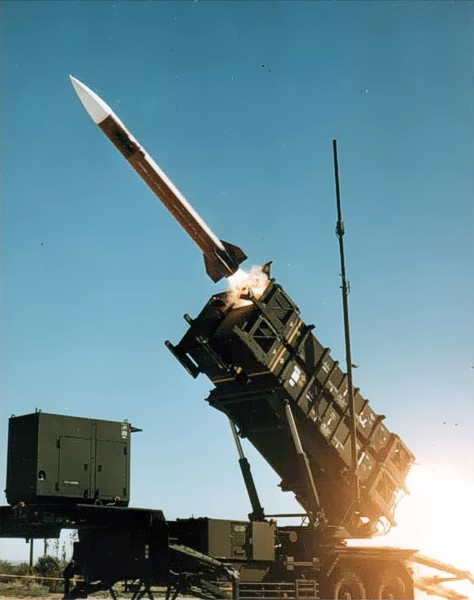
Army air and missile defense leaders face overlapping demands: keep Patriot units ready for overseas contingencies, sustain training batteries, and contribute sensors to broader homeland architectures.
Maintenance manpower and interceptor inventories remain constrained. Rotational schedules already stretch crews, and new mission sets threaten to dilute expertise.
Integration with allied batteries adds both opportunity and complexity. Shared early warning helps, but rules of engagement and data classification still slow full network employment.
Industry is pitching software upgrades to improve raid handling without waiting for new hardware generations. Test ranges are booked months out.
Decision-makers must publish clearer priority stacks or risk optimizing for every mission and excelling at none.


